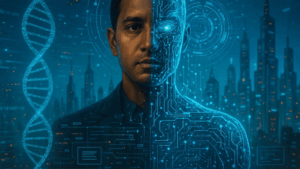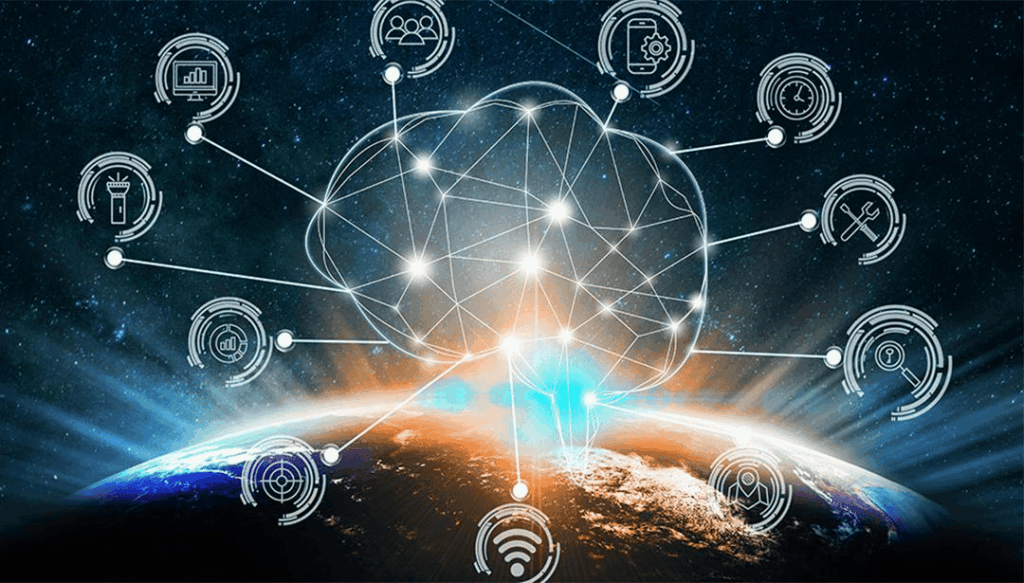
Artificial intelligence has quickly evolved from a futuristic concept into a technology that influences nearly every aspect of modern life. It recommends what we watch, filters spam from our inboxes, assists doctors in diagnosing diseases, and helps businesses make faster decisions. As AI becomes more capable, many believe it could help solve some of humanity’s biggest challenges, including healthcare, climate change, transportation, education, and scientific research.
Yet an equally important question remains. Can artificial intelligence solve these problems without fundamentally changing the society we have built?
According to Evolving Human Intelligence: What to Expect Next, AI represents one of the greatest technological advances in human history, but its success depends on how responsibly it is developed and integrated into society. Rather than viewing AI as either a miracle solution or an existential threat, the book encourages readers to examine both its extraordinary potential and its hidden consequences.
AI Has the Potential to Improve Human Life
Artificial intelligence is already transforming industries that directly affect people’s daily lives. In healthcare, AI can analyze medical images, support physicians in identifying diseases, and contribute to more personalized treatment plans. It also powers search engines, navigation systems, smart appliances, fraud detection, and countless digital services that make everyday tasks faster and more efficient.
These developments demonstrate that AI is not simply replacing manual work. It is expanding humanity’s ability to process enormous amounts of information, recognize patterns, and solve problems that would otherwise take much longer using conventional methods. As the technology continues to evolve, its capacity to accelerate scientific discoveries and improve public services could become even more significant.
Every Technological Breakthrough Comes With Trade-Offs
The benefits of AI are undeniable, but they are accompanied by challenges that society cannot afford to ignore. Modern AI systems rely on enormous data centers capable of processing vast amounts of information every second. These facilities require substantial computing power, which places increasing pressure on electrical grids while consuming significant amounts of water for cooling. As AI adoption accelerates, communities are beginning to question whether technological progress should come at the expense of local resources and environmental sustainability.
The book argues that technological advancement should never be measured only by speed or innovation. Its long-term impact on communities, infrastructure, and natural resources deserves equal consideration. Sustainable progress requires balancing innovation with environmental responsibility.
The Future of Work Is Already Changing
Perhaps the greatest concern surrounding AI is its effect on employment. Automation has always transformed industries, but artificial intelligence introduces change at an unprecedented pace. Many routine office tasks can now be completed by intelligent software, creating uncertainty for entry-level professionals and knowledge workers alike. Rather than eliminating physical labor alone, AI increasingly performs cognitive tasks once believed to require exclusively human intelligence.
However, the book does not suggest that society should resist technological progress. Instead, it advocates preparing workers for new opportunities. Retraining programs, specialized education, and careers that combine human expertise with AI technologies may become essential for future economic stability.
The challenge is not simply protecting existing jobs but helping people adapt to an evolving workforce where collaboration between humans and intelligent systems becomes increasingly common.
Human Judgment Still Matters
Despite its remarkable capabilities, artificial intelligence remains a tool rather than a substitute for human wisdom.
The book highlights examples in healthcare where AI assists medical professionals by analyzing complex information, while the final diagnosis and treatment decisions remain in the hands of qualified experts. This partnership demonstrates one of AI’s greatest strengths: enhancing human decision-making instead of replacing it.
The same principle extends beyond medicine. Whether AI is used in education, business, government, or scientific research, human oversight remains essential for ensuring fairness, accountability, and ethical decision-making. Technology may process information faster, but values, empathy, and moral responsibility continue to belong to people.
Innovation Requires Ethical Guardrails
As AI grows more powerful, responsible governance becomes increasingly important. The book discusses the growing need for regulations that encourage innovation while preventing misuse. It also highlights how different AI companies approach safety, noting that ethical safeguards should become an integral part of future AI development rather than an afterthought.
Without clear standards, AI could deepen social inequalities, increase public distrust, and concentrate power in ways that ultimately undermine the very progress it promises to deliver. Responsible innovation requires transparency, accountability, and policies designed to protect society as technology advances.
Progress Without Losing Our Humanity
Artificial intelligence is unlikely to solve humanity’s greatest challenges without influencing society in some way. Every major technological revolution has reshaped how people live, communicate, and work. AI is no different.
The real objective should not be preventing change altogether. Instead, society must ensure that technological progress strengthens human well-being rather than diminishing it. When innovation is guided by ethics, environmental responsibility, thoughtful regulation, and respect for human values, AI becomes a powerful partner rather than an uncontrollable force.
The future will not be determined solely by how intelligent our machines become. It will depend even more on how wisely humanity chooses to use them.
Conclusion
Evolving Human Intelligence: What to Expect Next presents artificial intelligence as one of humanity’s most transformative achievements while reminding readers that progress should always be accompanied by responsibility. The book encourages a balanced perspective embracing innovation without overlooking its social, economic, and environmental consequences. For readers interested in exploring the future of AI, human intelligence, and the ethical choices that will shape tomorrow’s world, this thought-provoking book offers a compelling and timely discussion.